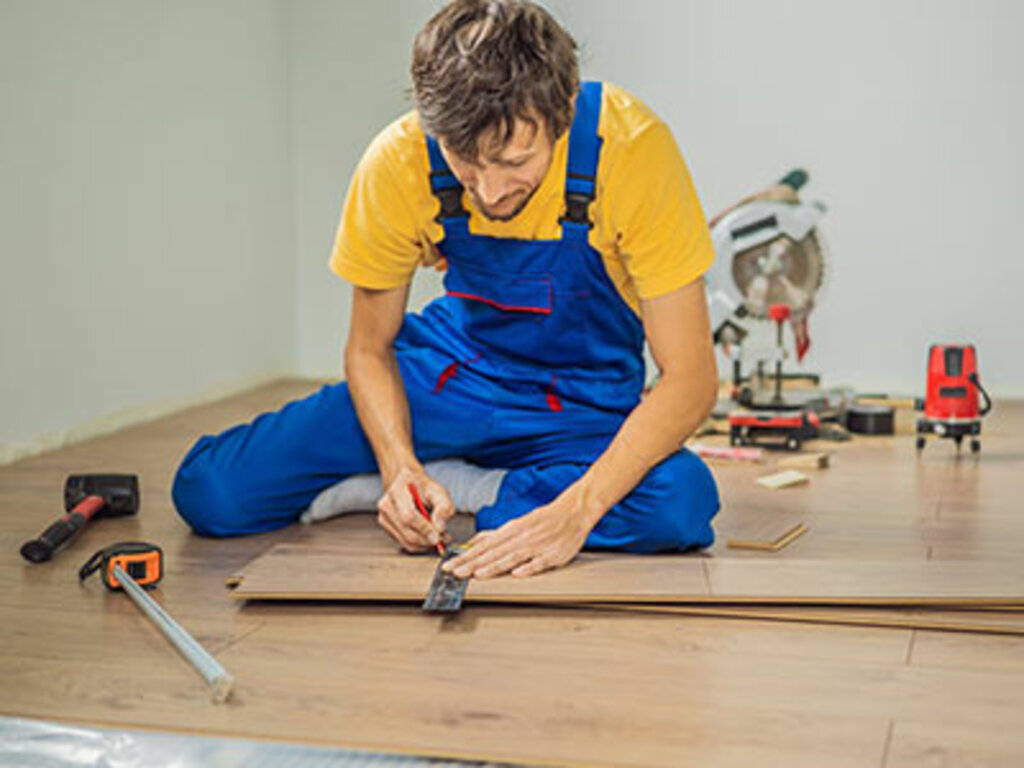
 When it comes to home improvement, flooring is one of the most significant investments you can make. However, many homeowners overlook a critical component that can make or break their flooring choice: moisture barriers. In this comprehensive guide, we will delve into the world of flooring forensics, exploring the importance of moisture barriers, the various types available, and how to choose the perfect solution for your home.
Understanding Moisture Barriers
A moisture barrier is a material designed to prevent moisture from penetrating through floors, walls, and ceilings. It acts as a protective layer, safeguarding your flooring from water damage, mould growth, and structural issues. Moisture barriers are essential in areas prone to high humidity, such as basements, crawl spaces, and bathrooms.
Why is a Moisture Barrier Important?
Moisture can wreak havoc on your home. It can lead to:
- Mould and Mildew Growth: Excess moisture creates an ideal environment for mould and mildew, which can pose health risks and damage your home.
- Structural Damage: Prolonged exposure to moisture can weaken the structural integrity of your home, leading to costly repairs.
- Flooring Damage: Many flooring materials, such as hardwood and laminate, are susceptible to warping and buckling when exposed to moisture.
By installing a moisture barrier, you can protect your investment and ensure a healthy living environment.
Types of Moisture Barriers
Polyethylene sheeting is one of the most common moisture barriers used in residential construction. It is a durable plastic material that is easy to install and cost-effective. Typically, it is laid down before flooring installation, providing a solid barrier against moisture.
Pros:
- Affordable
- Easy to install
- Effective in preventing moisture
Cons:
- Can tear easily if not handled properly
- Limited lifespan compared to other options
Liquid Membranes
Liquid membranes are applied as a liquid and cure to form a seamless, waterproof barrier. They are ideal for irregular surfaces and can be used in both residential and commercial applications.
Pros:
- Seamless application
- Flexible and durable
- Can be used on various surfaces
Cons:
- Requires professional installation
- Higher cost compared to polyethylene sheeting
Vapour Barriers
Vapour barriers are designed to prevent moisture vapour from passing through walls and floors. They are particularly useful in areas with high humidity levels, such as basements and crawl spaces.
Pros:
- Effective in high-humidity areas
- Can be combined with other moisture barriers for added protection
Cons:
- More expensive than traditional moisture barriers
- Requires careful installation to be effective
Specialty Barriers
Specialty barriers are designed for specific applications, such as radiant floor heating systems or areas with extreme moisture exposure. These barriers often come with additional features, such as insulation or soundproofing.
Pros:
- Tailored solutions for unique needs
- Often provide additional benefits beyond moisture protection
Cons:
- Higher cost
- May require specialised installation techniques
Choosing the Right Moisture Barrier for Your Home
Before selecting a moisture barrier, it’s essential to assess your home’s environment. Consider factors such as:
- Climate: Homes in humid climates may require more robust moisture barriers than those in drier areas.
- Location: If your home is near water sources or in a flood-prone area, a more advanced moisture barrier may be necessary.
- Existing Conditions: Evaluate any existing moisture issues in your home, such as leaks or dampness.
Flooring Type Considerations
Different flooring materials have varying moisture tolerance levels. Here’s a quick guide:
- Hardwood: Requires a high-quality moisture barrier to prevent warping.
- Laminate: Needs a moisture barrier to protect against swelling and damage.
- Tile: Generally more resistant to moisture but still benefits from a barrier to prevent mould growth beneath.
- Carpet: Requires a moisture barrier to protect against mould and mildew.
Installation Factors
Consider whether you will be installing the moisture barrier yourself or hiring a professional. Some barriers, like polyethylene sheeting, are easier for DIYers, while others, like liquid membranes, may require professional expertise.
Common Mistakes to Avoid
One of the most significant mistakes homeowners make is ignoring their local climate when selecting a moisture barrier. Always choose a barrier that is suitable for your specific environmental conditions.
Skipping Moisture Testing
Before installing a moisture barrier, conduct moisture testing in your home. This will help you determine the level of moisture present and guide your choice of barrier.
Improper Installation
Improper installation can render even the best moisture barrier ineffective. Follow manufacturer guidelines carefully, and consider hiring a professional if you’re unsure.
DIY vs. Professional Installation
Pros and Cons of DIY
Pros:
- Cost savings on labour
- Flexibility in scheduling
- Sense of accomplishment
Cons:
- Risk of improper installation
- Limited access to specialized tools
- Potential for mistakes that could lead to costly repairs
When to Call a Professional
If you’re dealing with complex installations, such as liquid membranes or speciality barriers, it’s often best to hire a professional. They have the experience and tools necessary to ensure a proper installation.
Maintaining Your Moisture Barrier
Once your moisture barrier is installed, it’s essential to conduct regular inspections. Look for signs of wear and tear, such as tears or punctures, and address any issues promptly.
Signs of Moisture Damage
Be vigilant for signs of moisture damage in your home, including:
- Musty odours
- Visible mould or mildew
- Warping or buckling floors
- Peeling paint or wallpaper
If you notice any of these signs, it may be time to assess your moisture barrier and make necessary repairs or replacements.
Conclusion
Understanding and implementing the right moisture barrier solution is crucial for protecting your home and flooring investment. By considering your home’s environment, flooring type, and installation factors, you can make an informed decision that will safeguard your living space for years to come.
Investing in a quality moisture barrier not only enhances the longevity of your flooring but also contributes to a healthier home environment. Whether you choose to tackle the installation yourself or hire a professional, the key is to prioritise moisture protection in your flooring forensics.
Final Thoughts on Moisture Barriers
As you embark on your flooring journey, remember that moisture barriers are not just an afterthought; they are a vital component of a successful flooring project. By decoding the perfect moisture barrier solutions for your home, you can ensure a beautiful, durable, and moisture-free living space.